From Calicut to the Deccan
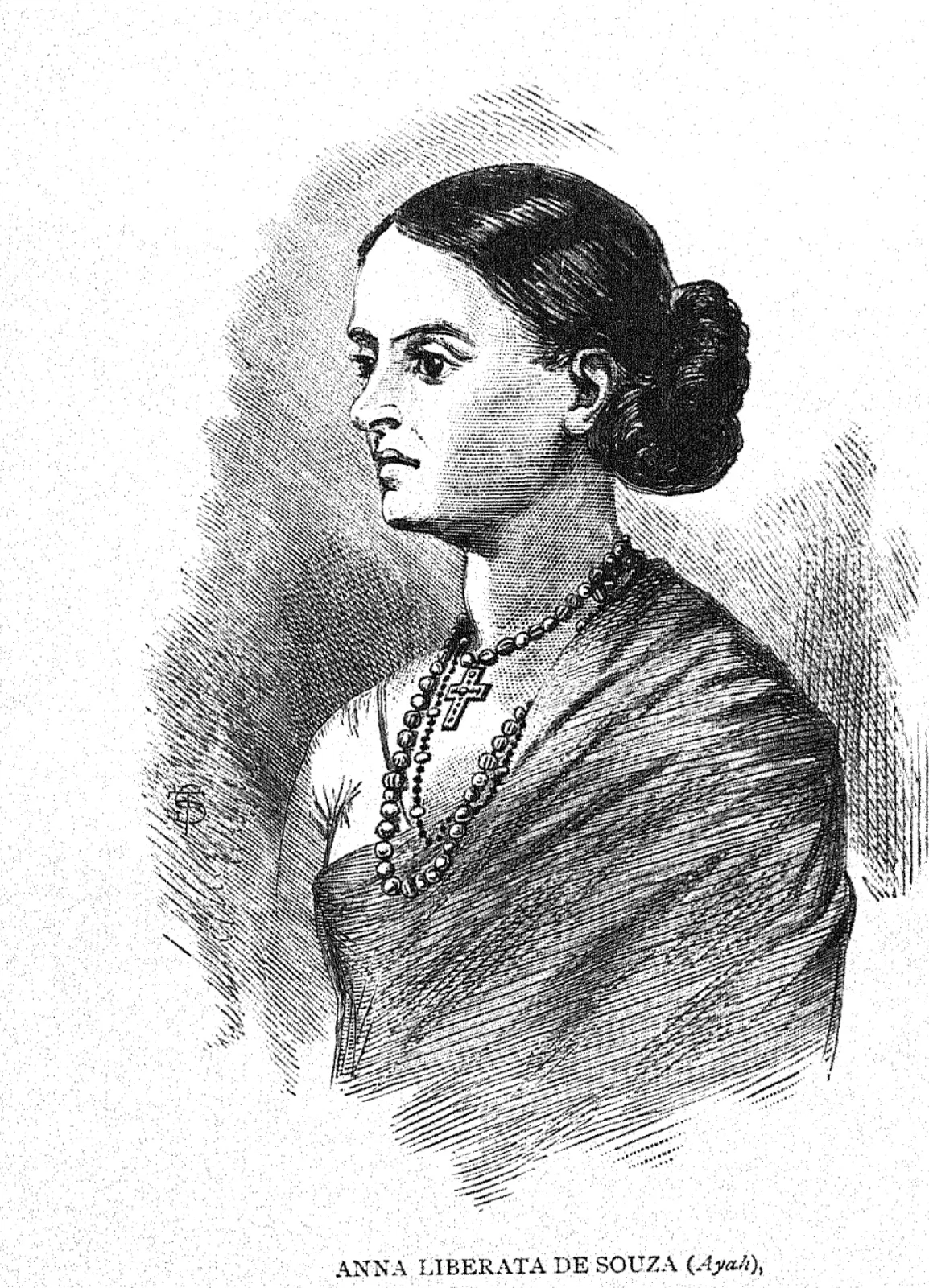
De Souza traced her grandfather’s family to Calicut. She recalled that he moved to the Goa region and became a Christian, a conversion that estranged him from relatives. Military service shaped the next generation. Her father worked with army tents and later took charge of stores at Kirkee, near Poona. Stories she heard from her grandmother travelled with these memories of war, employment and migration.
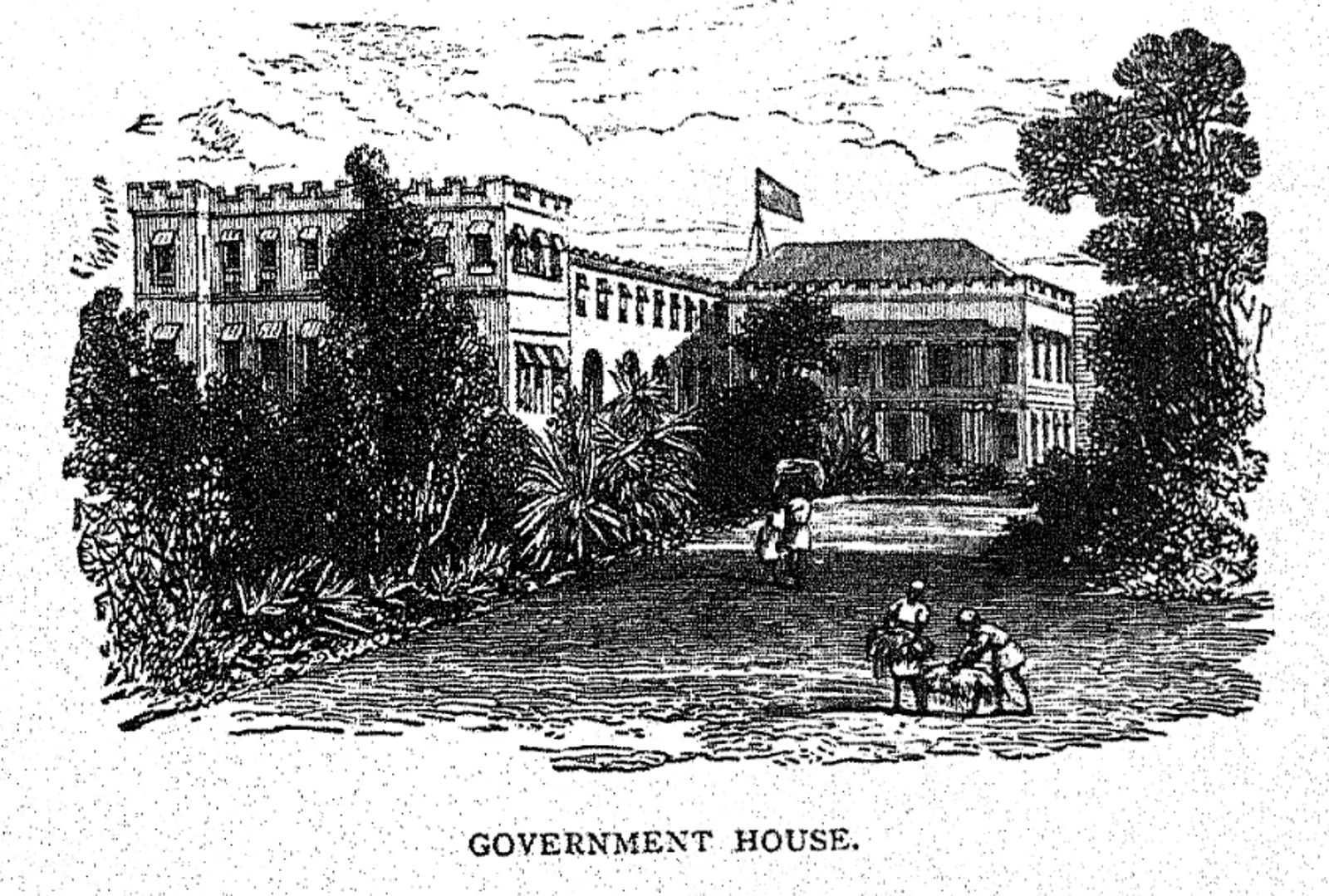
In the 1860s de Souza worked as an ayah for Mary Frere, daughter of the governor of Bombay. She accompanied Frere on a journey through the Deccan. The two women spent eighteen months together, and the printed account of de Souza’s life grew out of many conversations over that time.
A voice carried into print
Frere remembered how much of a story depended on de Souza’s gestures and changes of voice. On the printed page their roles are still discernible. De Souza supplied the tales and family memories, Mary gave them their written arrangement, her father Bartle contributed notes and an introduction, and her sister Catherine illustrated them. Leela Prasad’s study follows the choices de Souza made as a storyteller working within this colonial household.