Reporting across contested frontiers
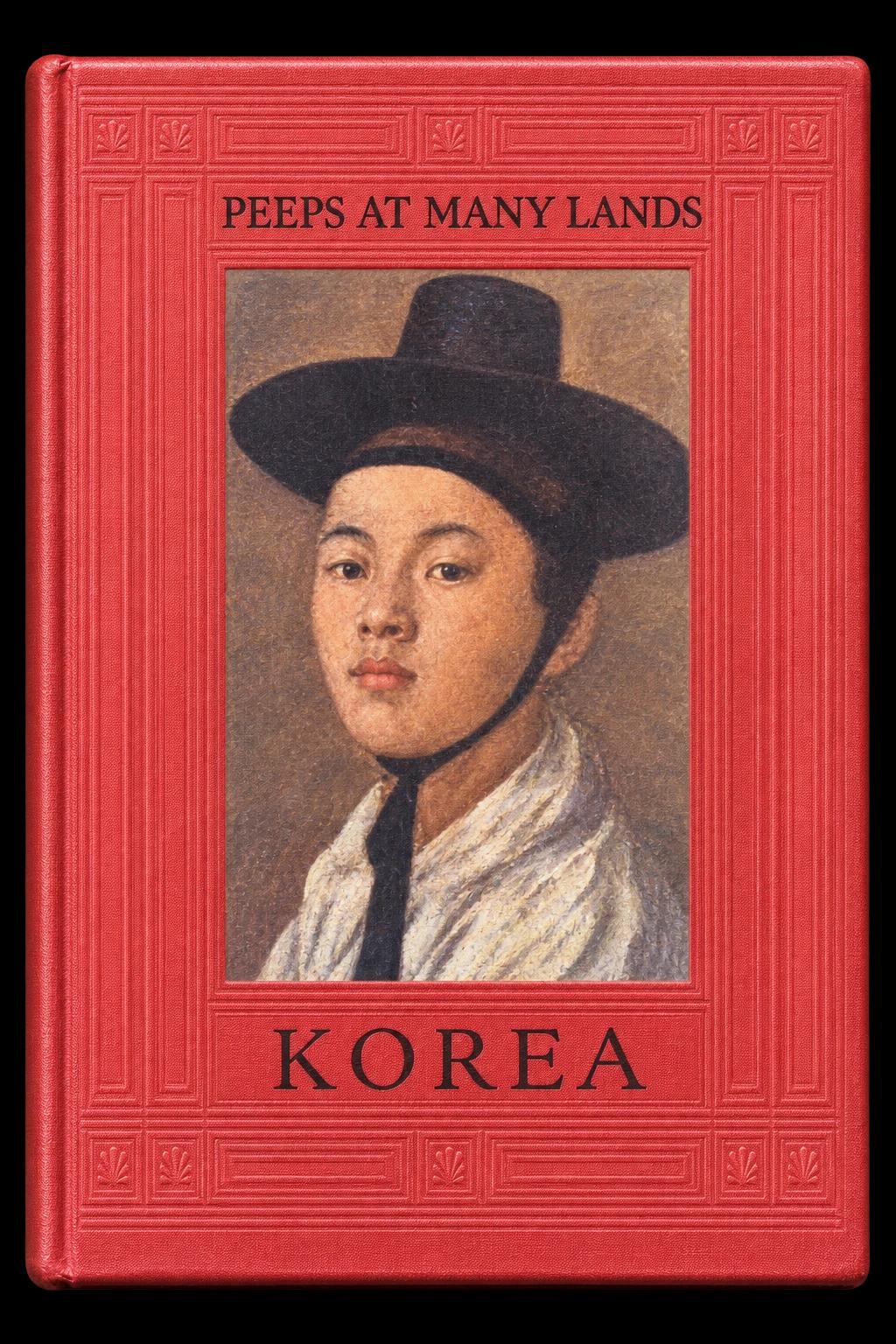
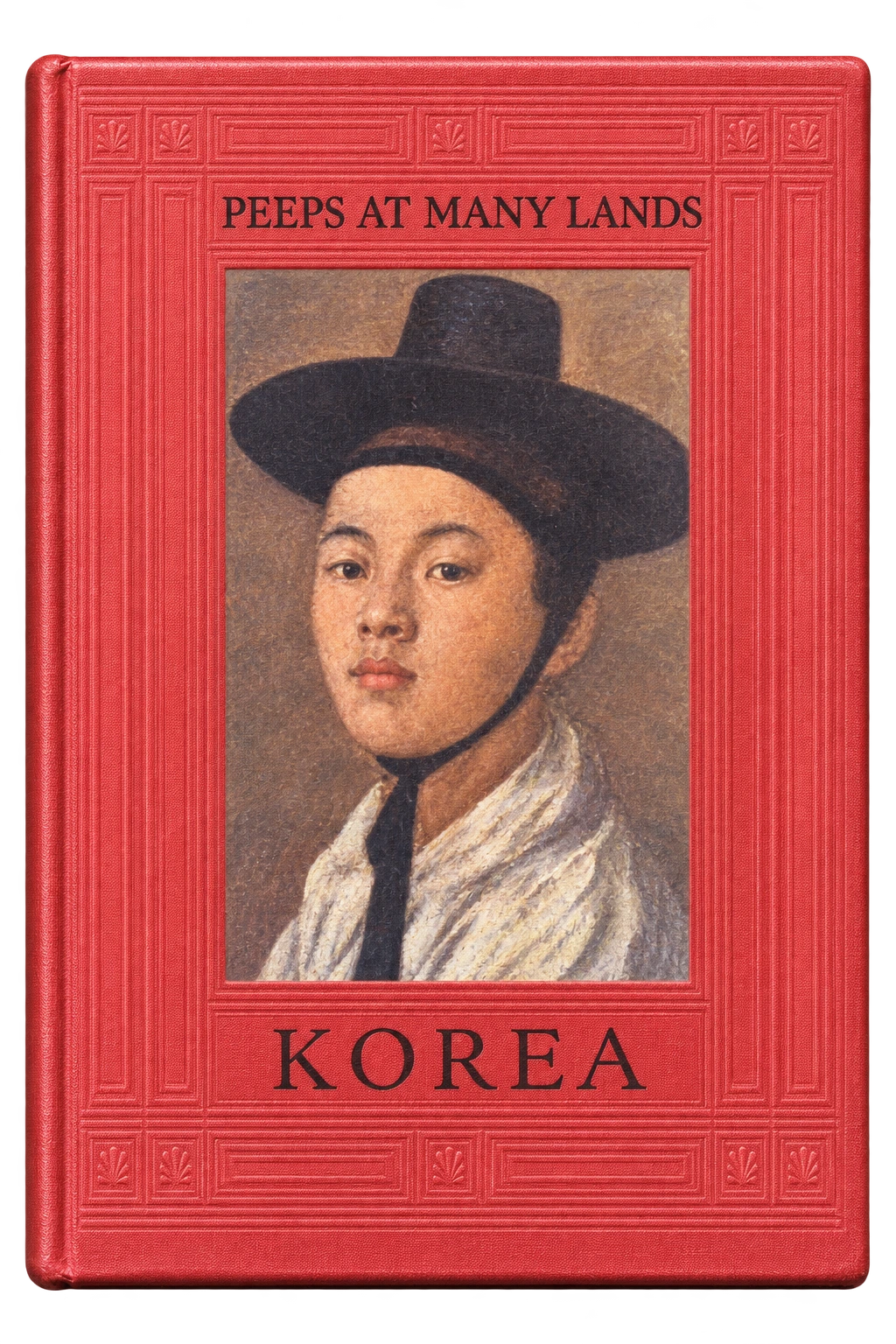
Hamilton’s working life took him through several of the conflicts that shaped the early twentieth century. Between 1894 and 1912 he reported for newspapers and journals, covering the Boer War in South Africa, the Boxer uprising in China and the Russo-Japanese War. As a representative of the Pall Mall Gazette he spent time in Korea, gathering material for the illustrated book published in 1904. He was a Fellow of the Royal Geographical Society and the stepson of the playwright Sir Arthur Wing Pinero.
His books turned correspondence and geographical investigation into extended accounts of places under international pressure. Afghanistan appeared in 1906, Problems of the Middle East in 1909 and Somaliland in 1911. In Abor Jungles, published in 1912, described British military expeditions in north-eastern India during 1911–12, including the punitive response to the killing of two British officials. Across these subjects, geography, communications and the exercise of imperial power repeatedly meet.
Hamilton later covered the Balkan conflict for the Central News Association of London. In 1913 he travelled to the United States to lecture about the war. He died by suicide in New York on 14 June that year. The contemporary newspaper account records a career spent moving between foreign reporting, books and the lecture platform.
Korea on the brink of war
The edition held here was published in New York by Charles Scribner’s Sons in 1904, with a map and numerous illustrations. Its introduction considers whether the crisis between Russia and Japan will become war. Hamilton examines railways, naval bases and the difficulties of maintaining Russian communications across Manchuria. This is an assessment written at the threshold of the conflict, rather than a retrospective history of the war that followed.