Education and a varied writing career
The daughter of the philosopher James Hutchison Stirling, Amelia pursued substantial studies at a time when women’s access to universities was restricted. The Edinburgh Association for the University Education of Women recorded her diploma in 1885, covering subjects from classics and philosophy to mathematics. She received her Edinburgh MA on 13 April 1893, in the university’s first graduating group of women. Fifty years later she returned to the McEwan Hall as an honoured guest. Her exact birth and death dates have not been securely established.
Her work reached several kinds of reader. She revised W. Hale White’s English translation of Spinoza’s Ethic, and her own books included historical writing and fiction. In an 1892 letter, Margaret Oliphant spoke encouragingly of a story Stirling had shown her. In 1912 Stirling published James Hutchison Stirling: His Life and Work, with a preface by Viscount Haldane. Her author’s note explains a double purpose: to record her father’s lifelong commitment to Hegel and to make the significance of his philosophy intelligible beyond specialist readers. The book draws on correspondence as well as family knowledge.
A child’s conscience at court
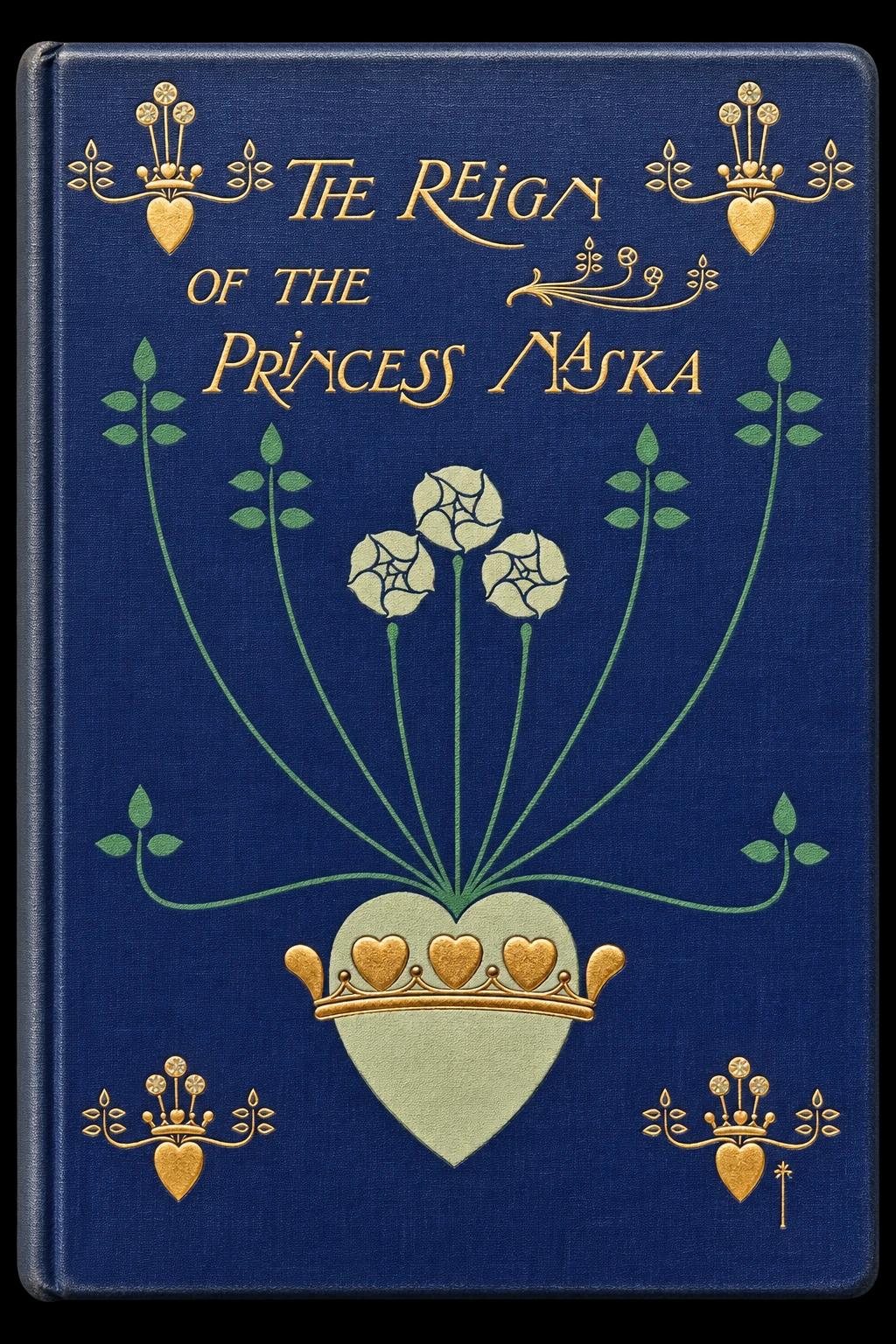
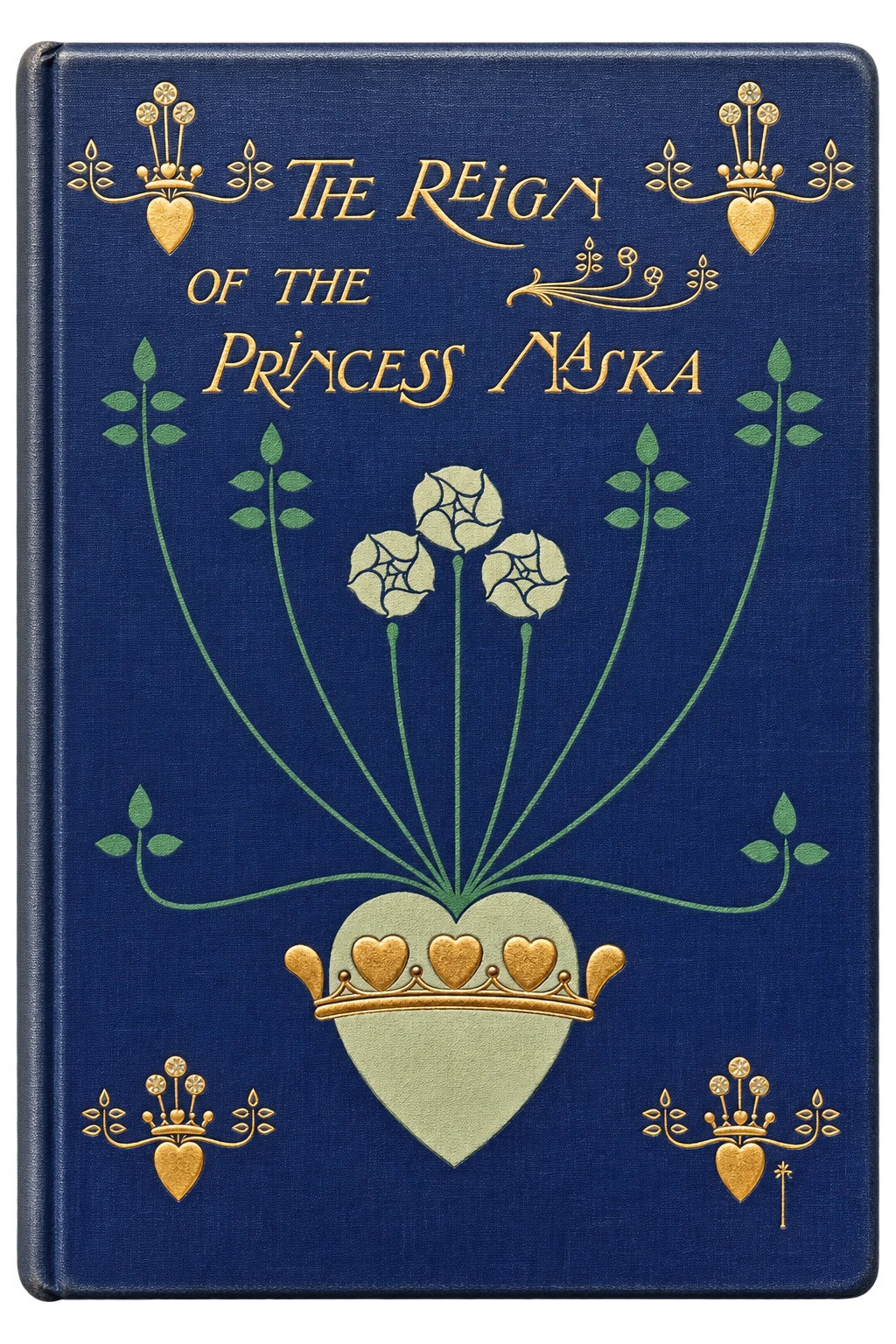
The Reign of the Princess Naska was published by Blackie & Son in 1899, with drawings by Paul Hardy. Naska rules the fictional principality of Tsarkovia, but the privileges of rank have denied her an ordinary childhood. Raised under her great-aunt’s severe supervision, she has learned to suppress her feelings and submit to court etiquette. The opening gives the splendid carriage and ceremonial clothing their full weight, then reveals the exhaustion of the small person they surround.