Photography and a life in the field
Born in London in 1851, Alice learned photography in the studio of her father, the architectural photographer Henry Dixon. She met Augustus Le Plongeon in London and travelled with him to Yucatán in 1873. Their years of fieldwork included excavation and photographic recording at Chichén Itzá and Uxmal. She was an active practitioner, working with demanding wet-plate processes and helping document buildings, sculptural details and local people. Her diary supplies another perspective on the expedition, recording encounters and the practical circumstances behind the photographs.
After the couple settled in Brooklyn in 1885, Alice developed a career in writing and public lecturing. Here and There in Yucatan appeared in 1886; her interests also extended to natural history, London architecture and women’s rights. Their insistence that Maya travellers had carried civilisation to Egypt and elsewhere alienated other scholars, and they increasingly addressed Theosophical and Spiritualist audiences. Those interpretations have not stood up as Maya history, but their detailed photographic documentation preserves features subsequently damaged or lost. Augustus died in 1908 and Alice in 1910. Later research, especially Lawrence Gustave Desmond’s work with her papers, restored attention to her own contributions.
The talisman and the poem
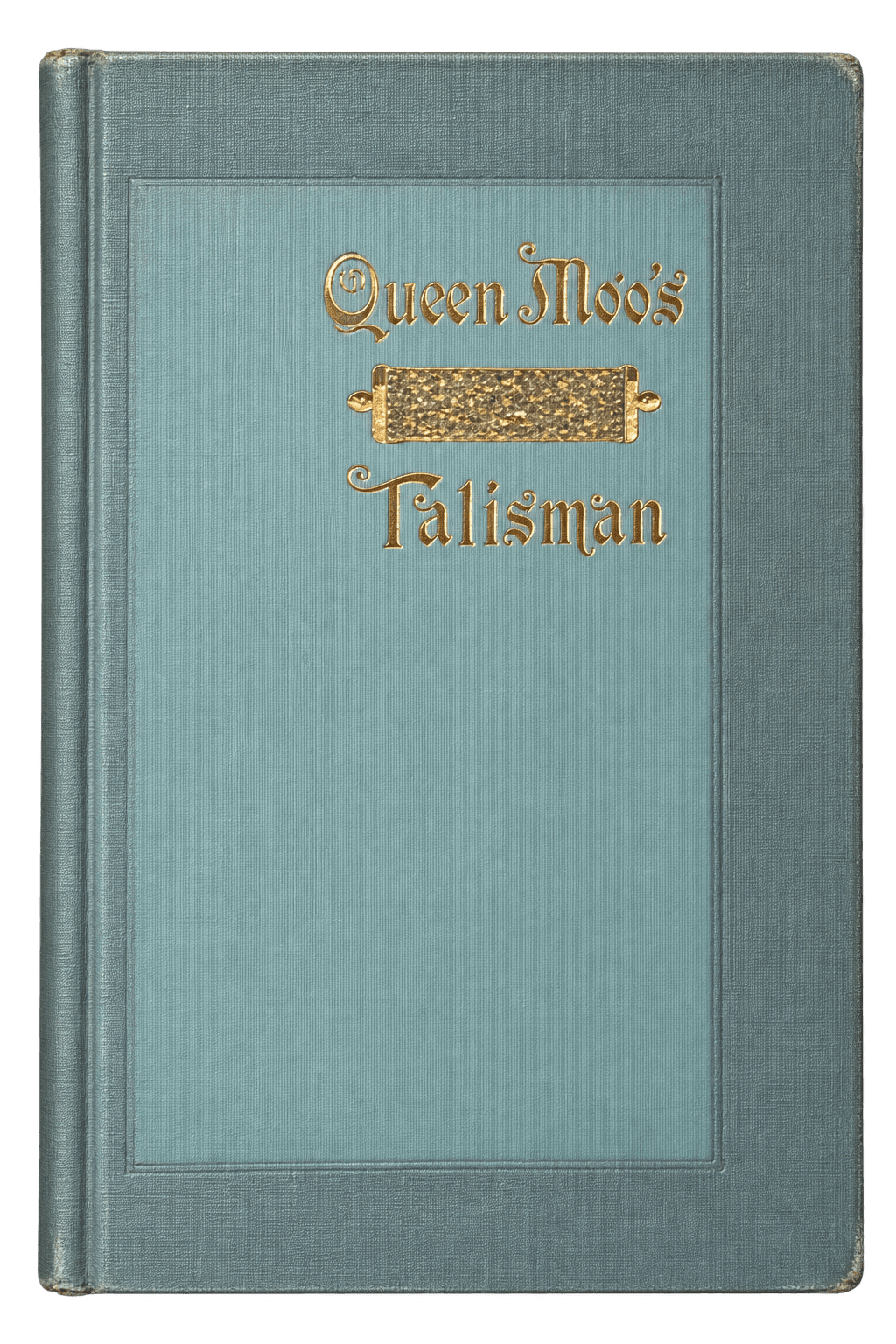
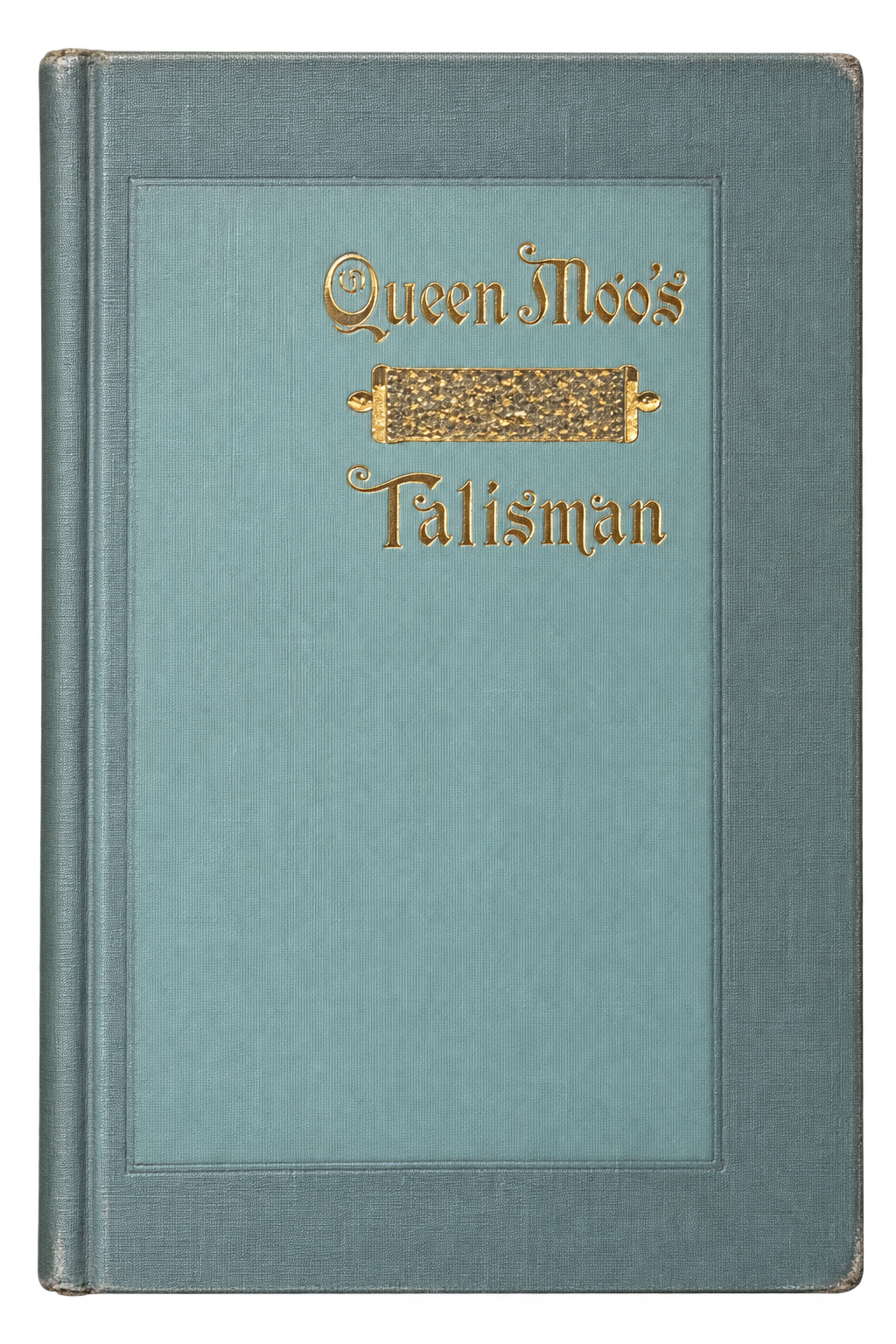
Queen Móo’s Talisman: The Fall of the Maya Empire appeared in 1902. The held London edition names Keegan Paul, Trench, Trubner & Co. as publishers. Alice dedicated it to Augustus, whose interpretations supplied its framework. In rhyming verse, Móo chooses Coh rather than his jealous brother Aac; murder, warfare and exile follow. The talisman connects mourning with the hope that love can survive separation. A sequel carries that hope into later lives.