Life and career
Albertus Magnus was a Dominican friar who taught at Paris and Cologne in the thirteenth century. His early life is only partly documented. Lauingen in Swabia has long claimed him as a native, and his seal as a master of theology in Paris identified him with the town. He became a leading teacher of his order. Thomas Aquinas studied under him before establishing his own reputation as a theologian.
Albert’s career took him outside the classroom. He held office in the Dominican Order, briefly served as bishop of Regensburg and helped mediate disputes in Cologne. He died there in 1280. The surviving records of these duties give a firmer outline of his mature life than the much later narratives written by admirers seeking his recognition as a saint.
Work and ideas
Albert undertook to make Aristotle’s natural philosophy intelligible to Latin readers. His books on animals, plants and minerals assemble material from earlier authorities alongside observations of his own. For him the study of a particular animal or the properties of a stone belonged within a much wider inquiry into how the natural world could be known. The extent of this undertaking earned him a reputation for extraordinary learning.
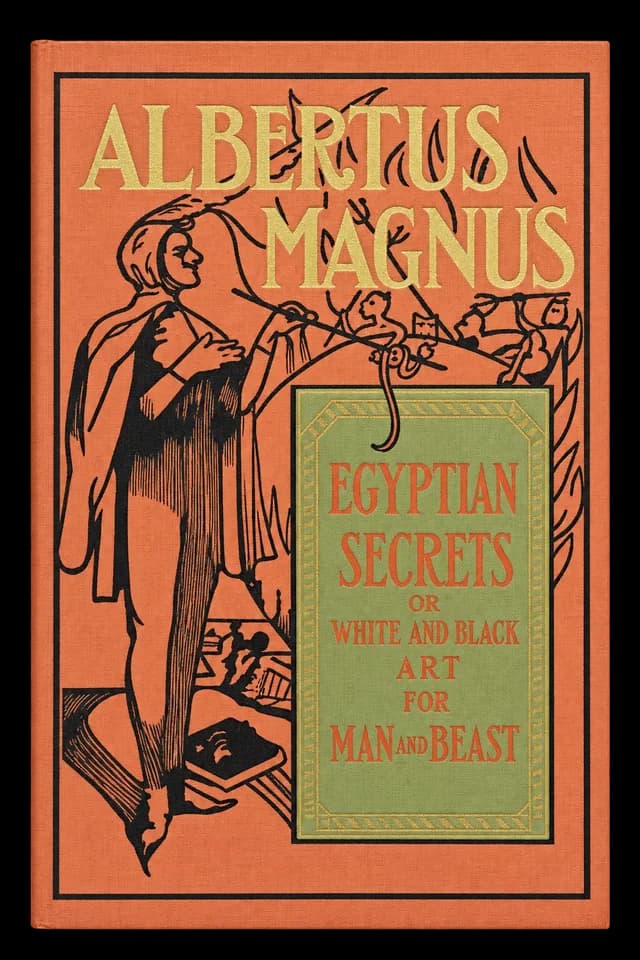
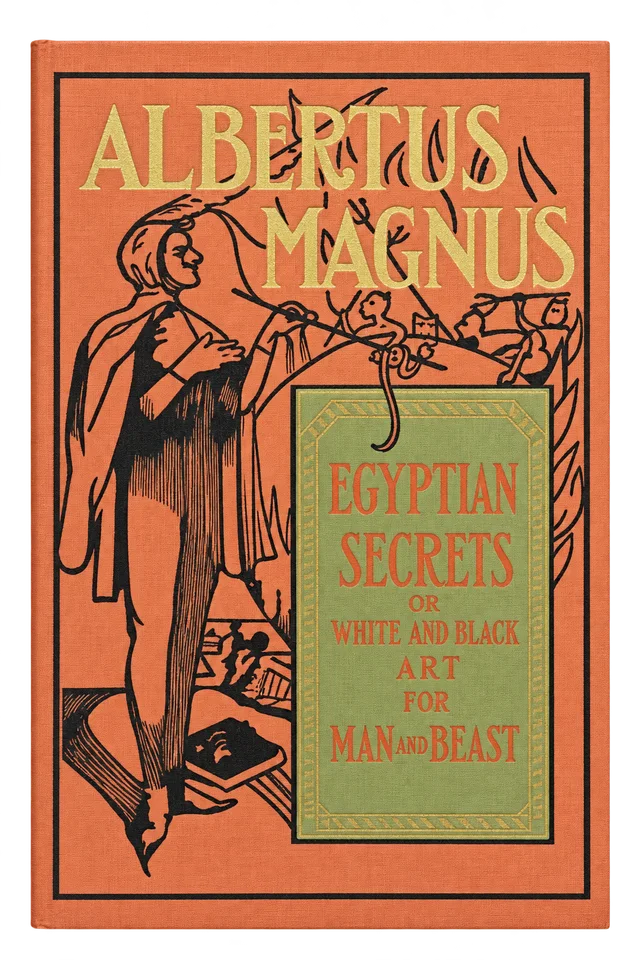
That reputation also gave his name a long second life on title pages. Egyptian Secrets, printed in a Chicago edition centuries after his death, belongs to a tradition of charms and household remedies circulated under his name. Its attribution tells us something about the authority readers attached to Albert. It gives no secure basis for adding those recipes to the works of the medieval friar.