A translator known through printed credits
Reliable details of Morton’s birth, death and personal career have not been established. The books preserve the initials A. P.; Morton’s full given names remain unidentified. The clear record is one of translation from French into English during the late nineteenth century.
The same translator credit appears on Acrobats and Mountebanks, published by Chapman and Hall in 1890. That illustrated work by Hugues Le Roux and Jules Garnier describes the people, skills and organisation of circus and fairground performance. Its subject differs markedly from Papus’s occult treatise. Together, the printed credits show the range of material associated with the name, without supplying a continuous account of the translator’s life.
Papus in English
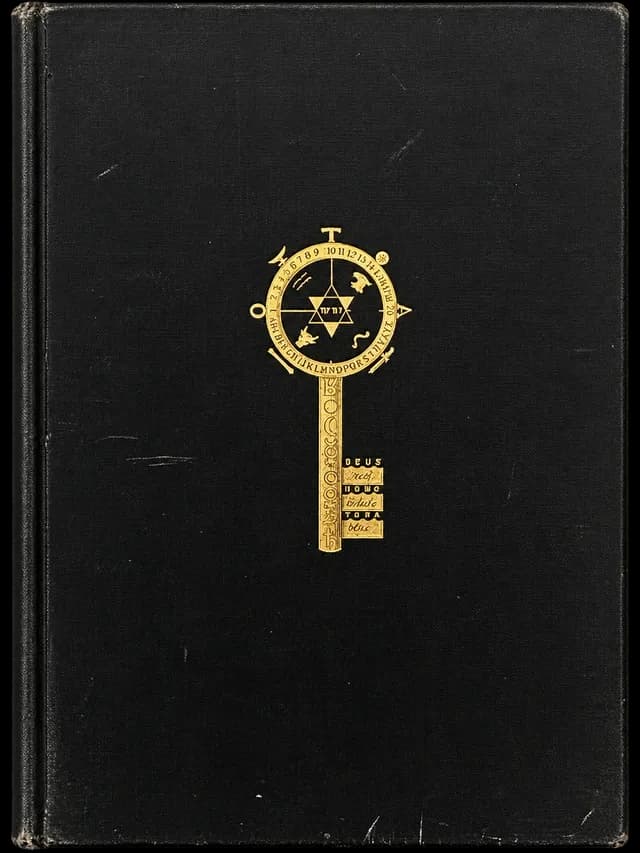
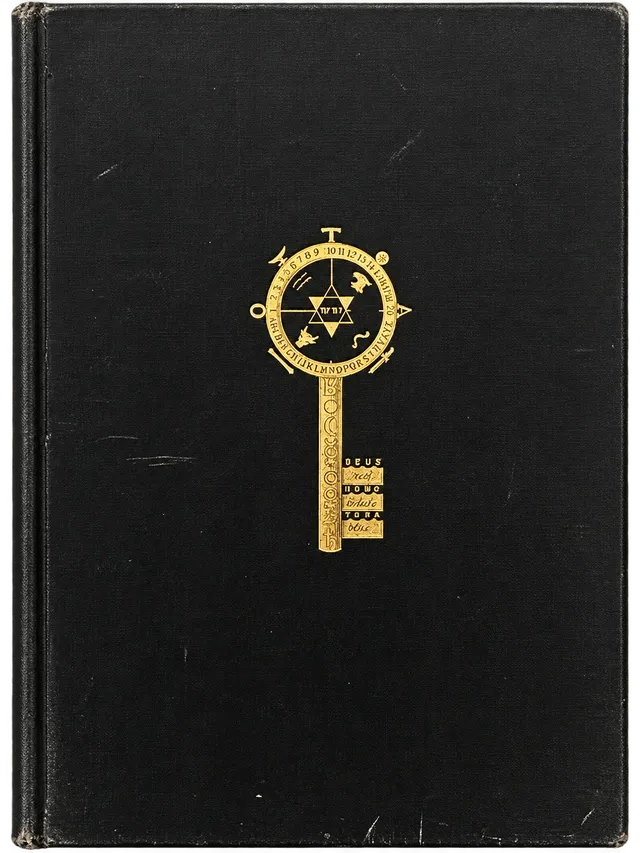
The held Tarot of the Bohemians was published by George Redway in London in 1896. Its title page names Papus as author and Morton as translator. The preface is signed by Papus. The text presents tarot as a key to a unified system of occult knowledge, building correspondences among the sacred name Yod-He-Vau-He, numbers and the major and minor arcana. Diagrams, tables and card illustrations form part of its argument.
Morton’s English version carries readers from that theoretical framework into interpretations of individual cards and methods of divination. The claims about an ancient wisdom transmitted through the Romani people belong to Papus’s esoteric interpretation, rather than an established history of the cards. Arthur Edward Waite later revised the translation and added a preface for the 1910 edition. That later editorial layer should be distinguished from the 1896 volume held here, whose named contributions are Papus’s authorship and Morton’s translation.