An author known through the book
The personal identity of A Highland Seer has not been securely established. No reliable life dates, education or career can be attached to the name. Modern publisher Macmillan likewise describes the writer as unnamed. The Scottish identity suggested by the byline belongs to the book’s presentation and cannot by itself establish where its author was born or lived.
The text offers a more definite account of its aims. Its writer says that symbol meanings were gathered over many years from readers in Highland and Lowland Scotland and several parts of England. The introduction links renewed interest in divination to the anxiety of wartime separation and uncertain news of loved ones. It criticises fortune-tellers who profit from that anxiety and commends a domestic practice that requires little equipment. These statements reveal the position from which the author addresses readers, although they do not supply an independently documented biography.
A handbook for the tea table
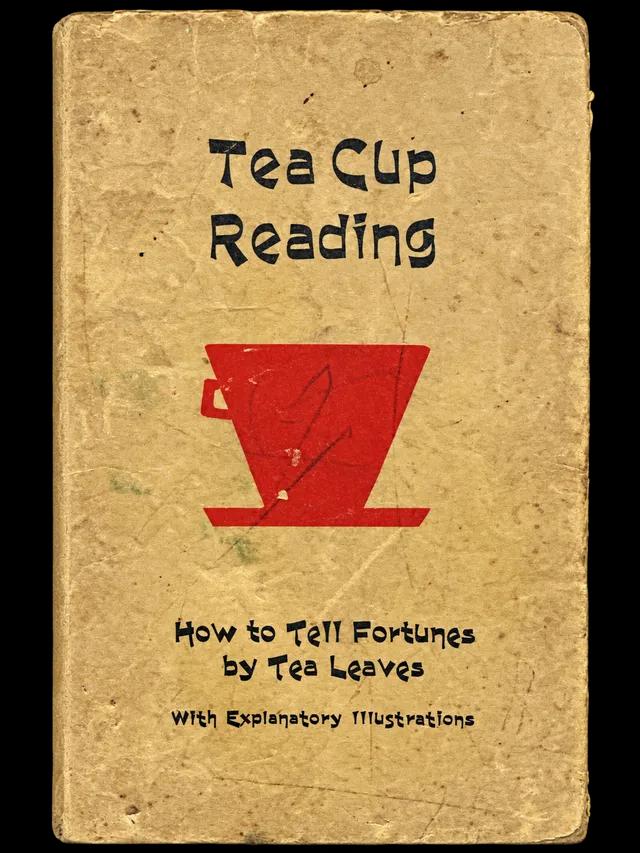
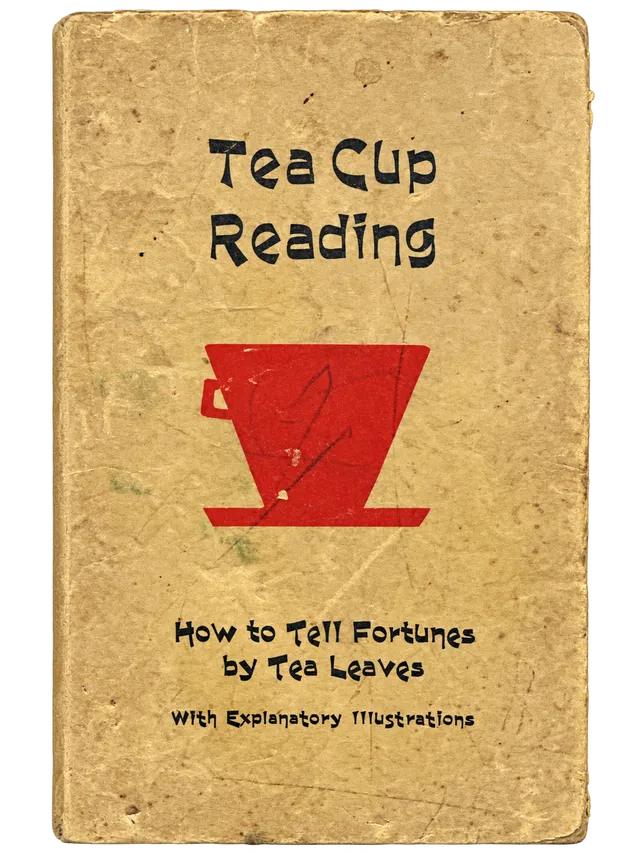
The guide explains how to choose a plain cup, leave a little tea with the leaves, turn it and drain it before examining the shapes. The handle represents the person consulting the cup; the position and clarity of each symbol affect its interpretation. An alphabetical list connects familiar images with such concerns as letters, journeys, friendship and money, while ten specimen cups demonstrate how signs can be combined into a reading.
Its author acknowledges that the particular meanings assigned to symbols are arbitrary, but argues that consistent interpretation and experience give them value. Claims that the method predicts events remain part of the book’s divinatory outlook. Editions circulated under variations of the title in Britain and North America during the early twentieth century; the British Library holds a Toronto copy dated 1920. Later reprints continued to use the anonymous byline. What survives most clearly is a distinctive instructional voice, moving between confidence in unseen patterns and the sociable pleasures of a shared tea table.