From Brooklyn to the British Museum
Waite was born in Brooklyn in 1857. After his father died, his mother took him to England, where he grew up a Roman Catholic. As a young man he read widely at the British Museum. Poetry was one of his earliest ambitions. Translation gave him another way into print and brought French writing on ritual magic to readers in English.
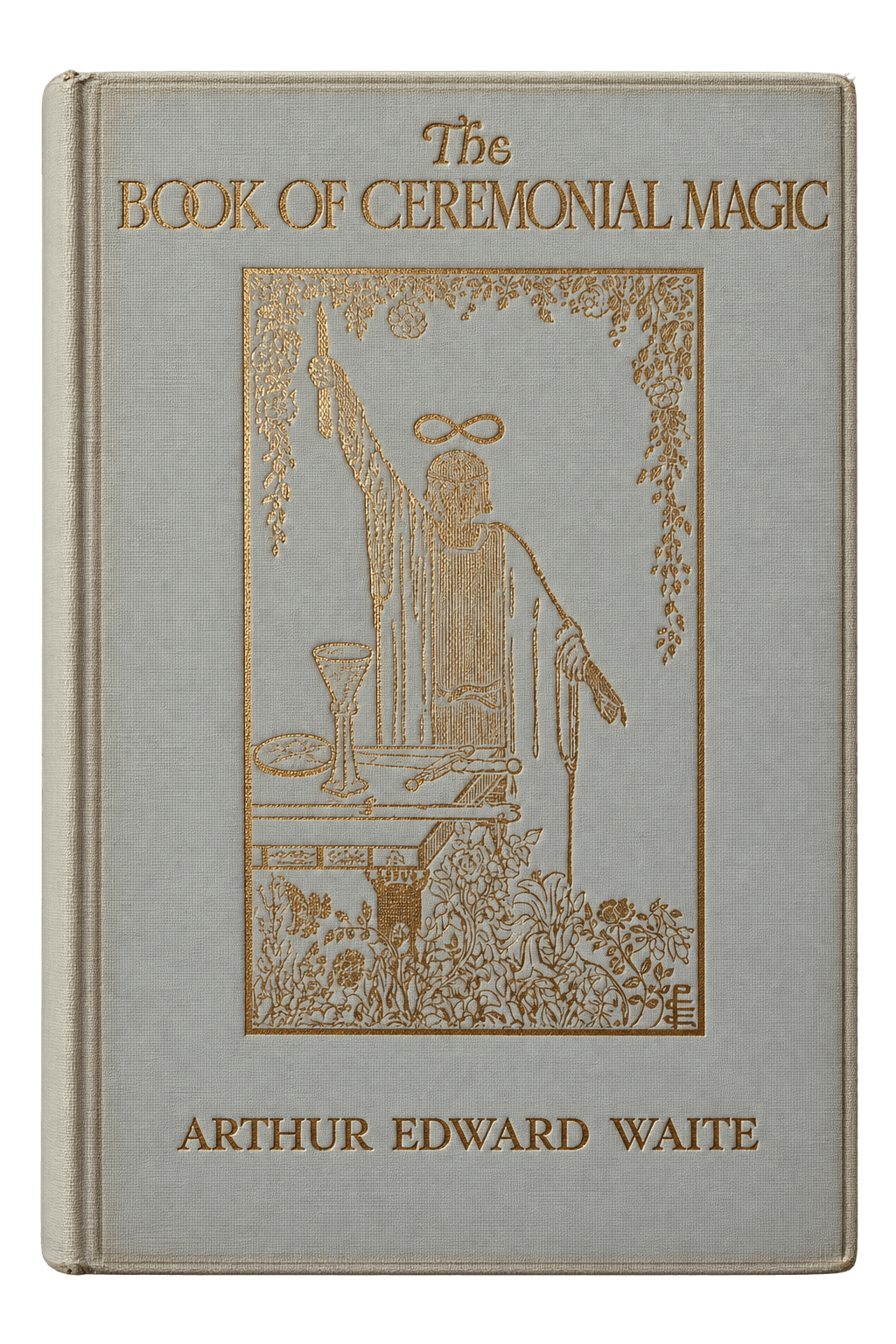
In his 1896 translation of Éliphas Lévi’s Transcendental Magic, Waite supplied a biographical preface and took issue with parts of the argument he had translated. A copy survives in W. B. Yeats’s library. Both men belonged to the Hermetic Order of the Golden Dawn, the London society where Waite also came to know Smith. In the deck they produced in 1909, Smith gave the numbered suit cards scenes of people at work, at play and in distress. A reader could find a story even in a card showing only a few coins or cups in earlier packs.
Writing and living Rosicrucian history
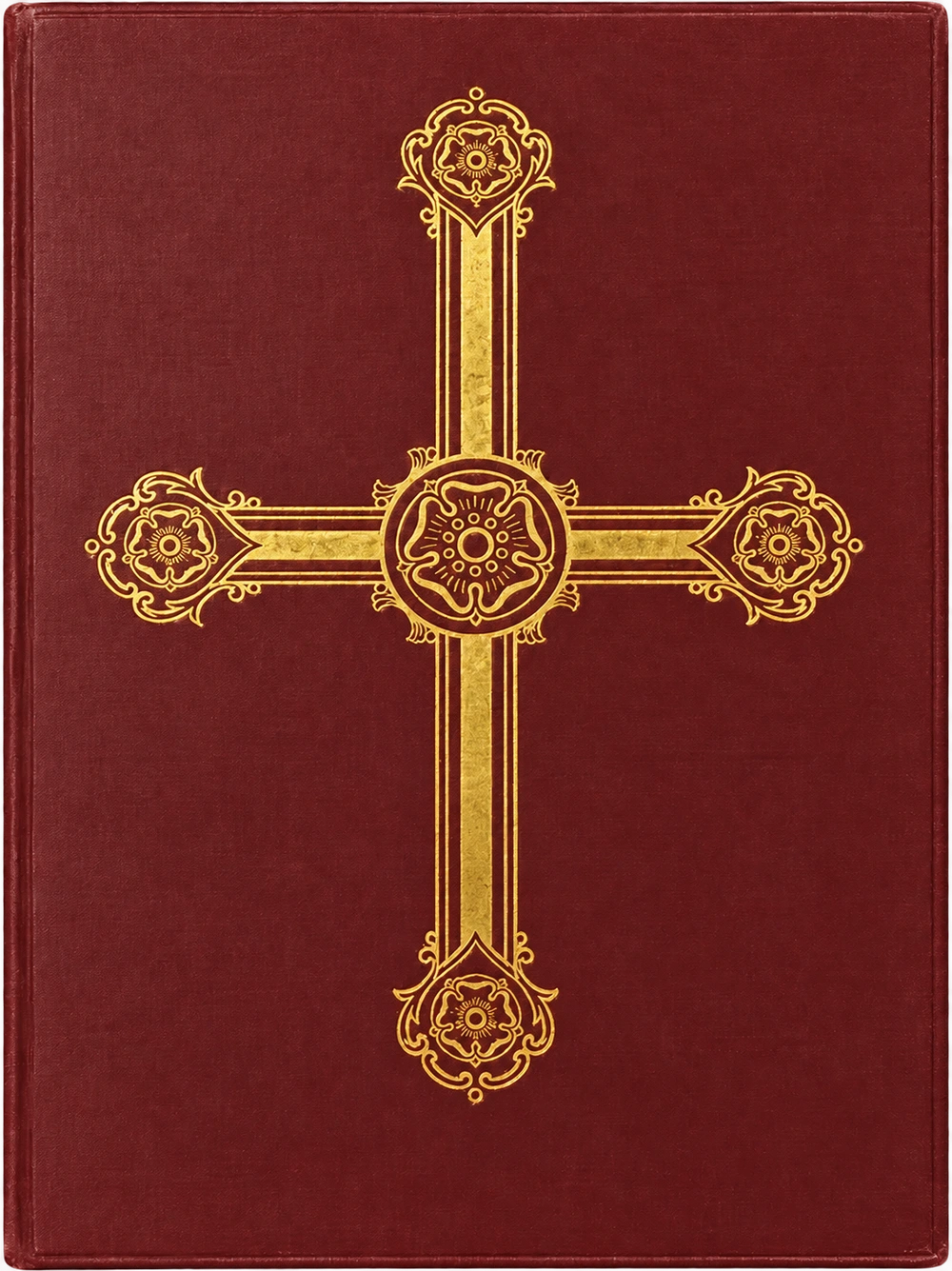
Waite’s interest in the Rosicrucians took two forms. He collected and interpreted the early printed accounts of a mysterious European brotherhood. He also devised ceremonies for a fellowship of his own. In 1915 he founded the Fellowship of the Rosy Cross, giving its members a Christian mystical interpretation of initiation.
The Brotherhood of the Rosy Cross appeared in 1924, by which time Waite had spent nearly a decade leading his fellowship. The date on Lumitheca’s Barnes & Noble copy, 1993, belongs to the reprint. Its subtitle distinguishes the public history of the brotherhood from the inner religious life that Waite sought to cultivate in his own fellowship.